Tips · 11 min read
The Best Time for Drone Footage at Your Wedding: Golden Hour & Seasons
When do you get the best drone footage at your wedding? All about golden hour, the best season, the right time per shot and how timing makes your film magical.
Published on · Updated on
Two identical wedding venues, the same drone, the same pilot, and yet one video looks ten times more magical than the other. The secret? Timing. The right time and the right light make the difference between a tidy aerial shot and an image that gives you goosebumps. In this guide you'll discover when to capture the most beautiful drone footage for your wedding.
We cover the magical "golden hour", the best time for each type of shot, the influence of the season and how to build all this smartly into your wedding day schedule. That way you get the most out of your drone wedding film.
Golden Hour: The Magic Hour
Golden hour is the first hour after sunrise and, far more relevant for weddings, the last hour before sunset. During that hour the sun is low in the sky, so the light turns warm, soft and golden. Shadows are long and soft, and everything is bathed in a romantic glow.
For drone footage, this is the absolute highlight of the day. The harsh, flat midday light, which causes unflattering shadows and blown-out highlights, is gone. Instead you get depth, texture and that unmistakably cinematic atmosphere.
The Best Time for Each Type of Shot
Not every moment of the day suits every kind of shot. This is our ideal breakdown:
Daytime: arrival, venue & overview
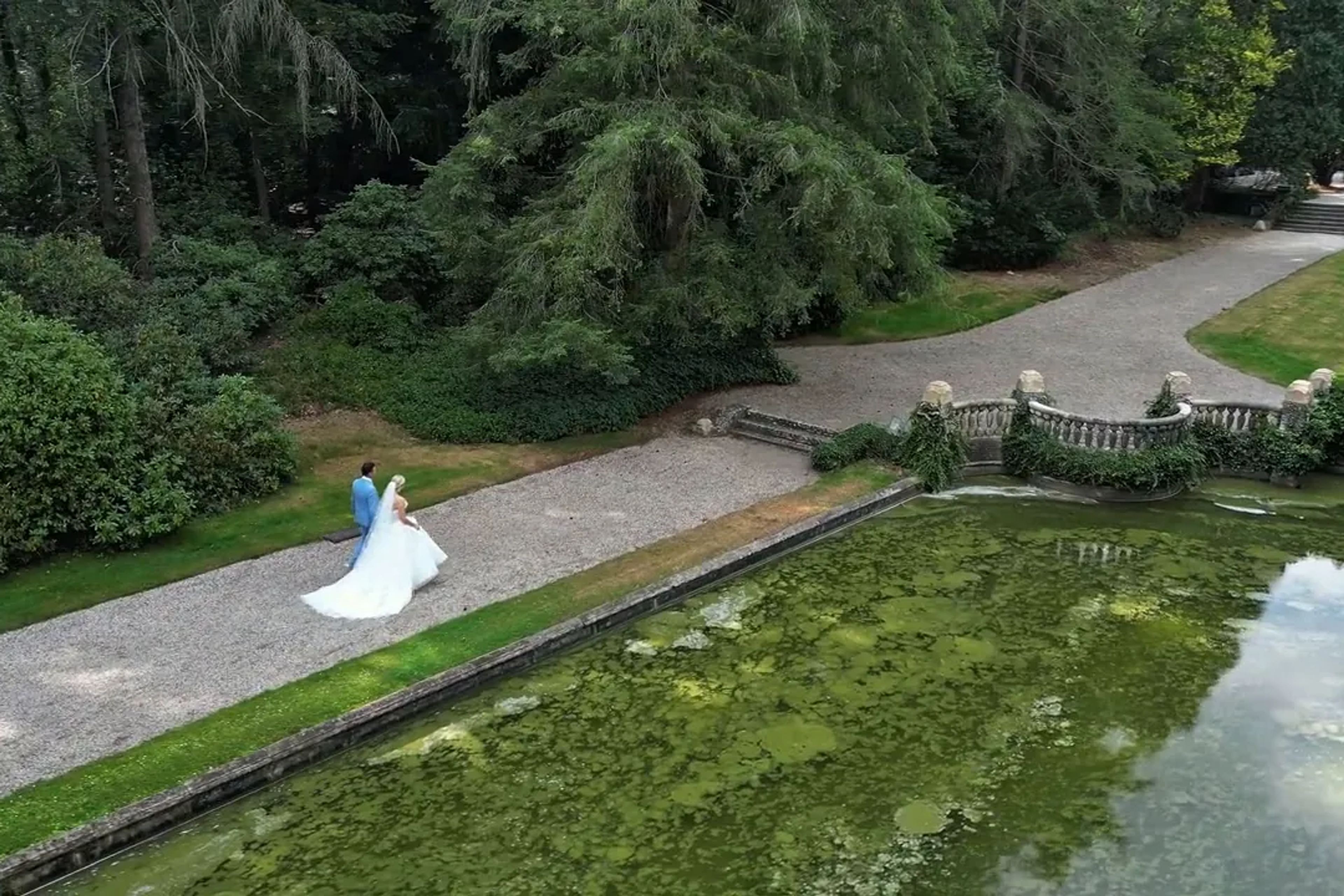
The big overview shots of your venue, the arrival of the wedding car and the XL group photo work well during the day. Cloudy weather is even an advantage here, because it gives soft, even light. Read more about these shots in the 7 most beautiful drone shots for your wedding.
Avoid: harsh midday light (12:00–15:00)
Around midday the sun is directly overhead. This creates harsh shadows under noses and eyes and a flat look with little atmosphere. For atmospheric drone shots of the two of you, this is the least favourable moment. Save this part of the day for dinner or drinks.
Golden hour: the couple shoot & cinematic footage
Deliberately plan your short drone couple shoot and the most cinematic footage for the last hour before sunset. This is the moment for the "shot of the century".
Blue hour & twilight: extra atmosphere
Just after sunset comes "blue hour": a short period with a deep blue sky and the first lights of the party. If visibility allows, this produces unique, fairy-tale footage of the illuminated venue and marquee.
When Is Golden Hour? It Varies by Season
The big pitfall: golden hour falls at a different time each season. A summer wedding and an autumn wedding call for a completely different day schedule.
- Midsummer (June–July): the sun doesn't set until around 21:30–22:00. So golden hour falls late in the evening, often during the party.
- Spring and autumn (April, September): sunset around 19:30–20:30. Very handy, because golden hour often falls around dinner.
- Winter (November–January): the sun sets as early as around 16:30–17:00. Golden hour falls in the middle of the afternoon, which actually makes it easy to plan.
An experienced drone videographer checks the exact sunset time on your date in advance and plans around it. This belongs in your day schedule. See also our complete wedding drone checklist & planning timeline.
The Best Season for a Drone Wedding
There is no "bad" season. Each one has its own character. The question is which atmosphere suits you:
Spring (April–May)
Fresh green, blossom and flowering fields. The light is clear and nature is waking up. Ideal for a fresh, romantic look. Note: the weather is changeable, so read our guide on drone footage in bad weather.
Summer (June–August)
Long days, warm evenings and lush green landscapes. The peak season for weddings. The downside: golden hour falls late, and good drone videographers get booked up quickly, so book well in advance.
Autumn (September–October)
For many couples, the most beautiful season for drone footage. The woods turn gold, orange and red, which looks spectacular from the air. The soft light and lower sun work in your favour all day long.
Winter (November–February)
Bare trees, mist and, with a bit of luck, snow create a fairy-tale, intimate atmosphere. The short days also make golden hour easy to plan.
How to Build Timing into Your Day Schedule
You only get the most beautiful light if you also make time for it. Our tips:
- Reserve 15–20 minutes around golden hour when you can briefly step away from the party for the couple shoot.
- Coordinate with your photographer: they often want to take photos at the same golden moment. Planning together avoids hassle.
- Be flexible: in changeable weather, the pilot moves to the most beautiful dry moment.
- Keep your master of ceremonies informed (the person who coordinates your day), so the schedule runs smoothly.
Want to know how to recognise a good videographer who has mastered this kind of timing? Read How do you choose the perfect drone videographer for your wedding?
Example: Timeline of a Summer Wedding
What does that ideal timing look like in practice? Say you're getting married at a country estate in July, with sunset around 21:45. A good drone schedule could then look like this:
- 14:00 – arrival & ceremony: the drone captures the arrival of the wedding car and an overview of the venue (bright daylight, great for wide shots).
- 15:30 – XL group photo: all your guests in one shot from the air. A classic.
- 16:00–19:30 – drinks & dinner: the drone stays on the sidelines; this isn't ideal light for atmospheric shots.
- 20:45 – golden hour couple shoot: you're taken aside for 15 minutes for the most cinematic footage in golden light.
- 22:00 – blue hour & party: the illuminated marquee and the first dance, bathed in the evening atmosphere.
That way you make the most of every moment without it taking anything away from your day. A good videographer builds this schedule together with you. Include it in your complete wedding drone checklist.
Sharing Golden Hour with Your Photographer
One important point: your photographer will also want to work during golden hour for the most beautiful portraits. That doesn't have to be a conflict. In practice, a drone videographer and a photographer work well together around the same golden moment: while the photographer takes portraits up close, the drone captures the wide, cinematic picture from above. Agree on this briefly in advance, and the two will strengthen each other instead of fighting over the same minutes.
You can read exactly how this collaboration works in the difference between a drone videographer and a regular videographer.
Frequently Asked Questions About Timing & Drone Footage
What is golden hour and why is it so beautiful for drone footage?
Golden hour is the first hour after sunrise and the last hour before sunset. The light is warm, soft and golden, with long shadows. For drone footage, this produces the most romantic and cinematic images, because there's no harsh midday light.
What is the best season for a drone wedding?
Every season has its charm. Late spring and early autumn combine beautiful light with a lower sun and colourful landscapes. Summer offers long days, while autumn brings spectacular colours. The ideal season depends on the atmosphere you want.
What time of day is best for drone footage at a wedding?
The arrival and overview shots are filmed during the day, but the most beautiful footage happens at golden hour, the last hour before sunset. So deliberately plan a short couple shoot or venue shot around that time.
Do I have to adjust my whole day for the drone?
No. It's enough to keep 15 to 20 minutes free around golden hour for the best footage. The pilot films the other drone shots between the parts of the programme, without you even noticing.
What If the Best Moment Coincides with Bad Weather?
Perfect timing looks good on paper, but Dutch weather doesn't care much for it. Is rain or strong wind threatening right at golden hour? Then an experienced pilot moves flexibly to the best dry moment of the day, or schedules a separate aftershoot on a nicer day. That way the quality of your footage is protected, even if the sun doesn't cooperate. Read how that works in Wedding drone in bad weather: rain, wind & plan B. Timing and weather always go hand in hand, and good planning takes both into account.
Conclusion: Timing Creates the Magic
The equipment and the pilot matter, but the right moment takes your drone wedding film to the next level. Plan the cinematic footage around golden hour, avoid harsh midday light for atmospheric shots and choose a season that suits the look you have in mind. A good drone videographer thinks along with you and builds the schedule around the most beautiful light.
Your day from the air too?
Check whether your date is still free. No obligation, and you'll hear from us within 24 hours.
Check your dateRead next
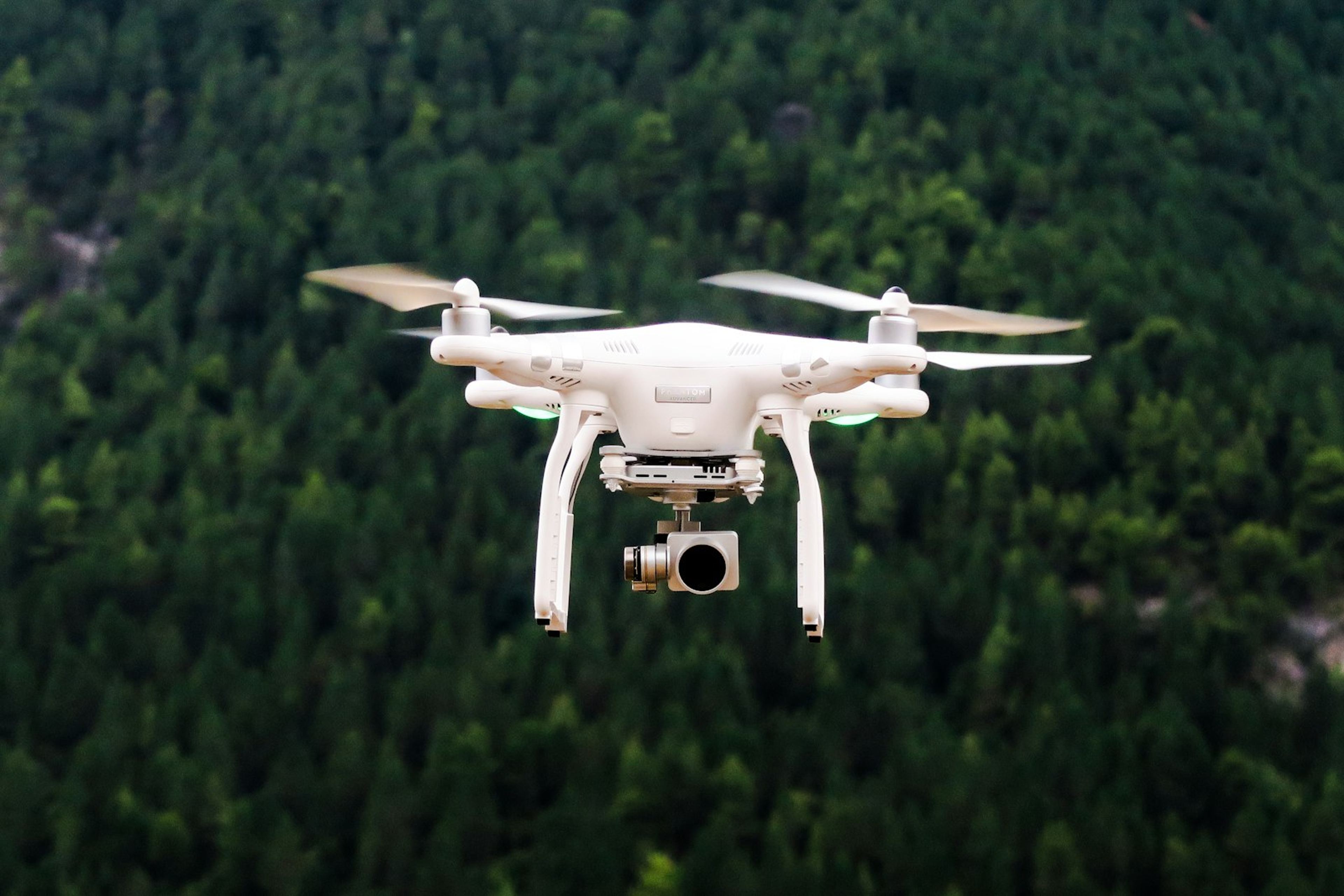
FPV Drone Wedding Video: The Latest Trend in Wedding Films
Discover what an FPV drone wedding video is and why cinematic FPV wedding films are the 2026 trend. How it differs from a regular drone, costs, examples, tips.Read more
Wedding Drone in Bad Weather: Rain, Wind & Plan B
What happens to your wedding drone video in rain or wind? All about the weather, a smart plan B, the aftershoot and how to still get beautiful aerial footage.Read more