Information · 8 min read
Drone Rules for Weddings in the Netherlands: What Is and Isn't Allowed?
Everything about drone rules for weddings in the Netherlands: EU law, no-fly zones, certification and permits. What to know if you want a drone at your wedding.
Published on · Updated on
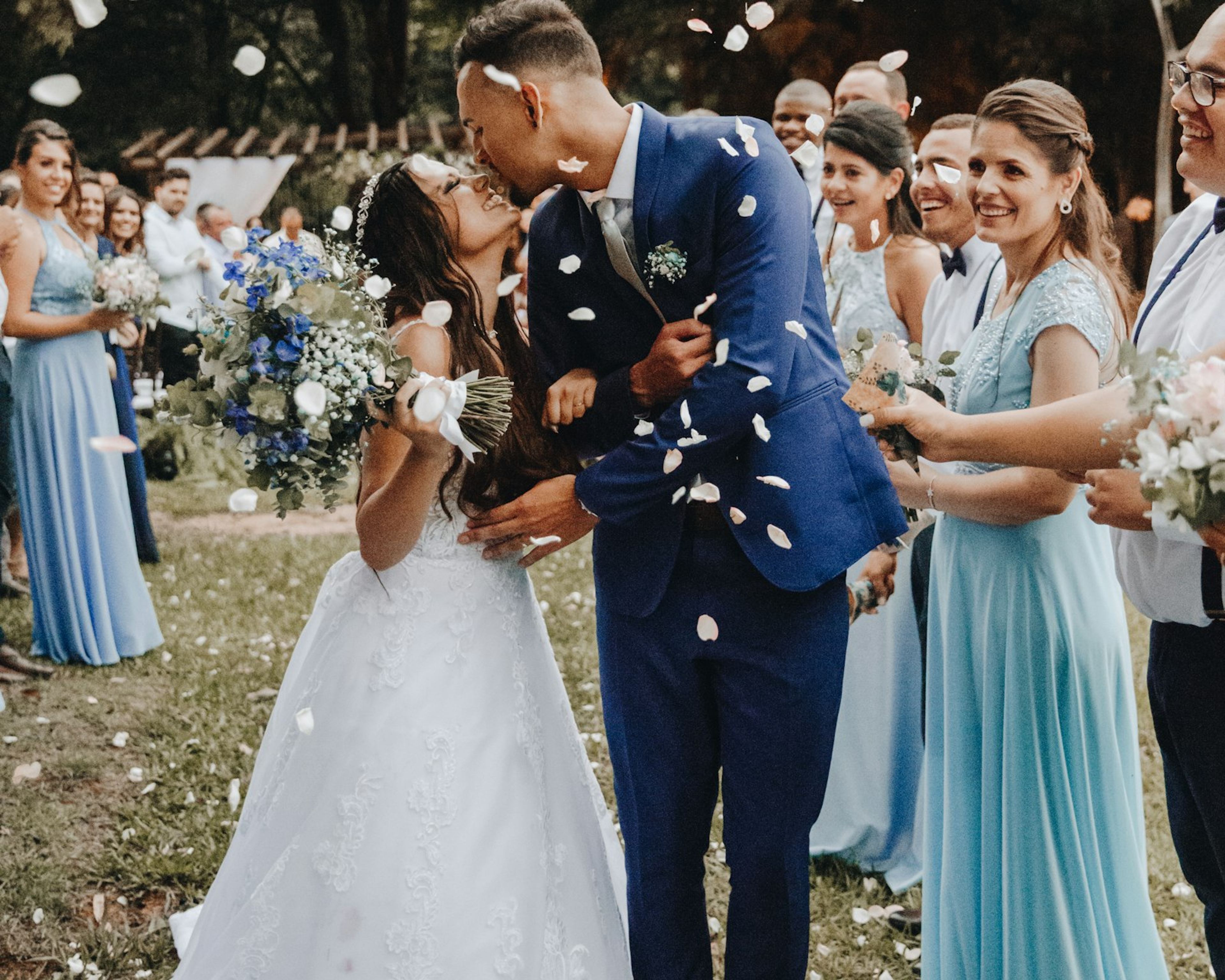
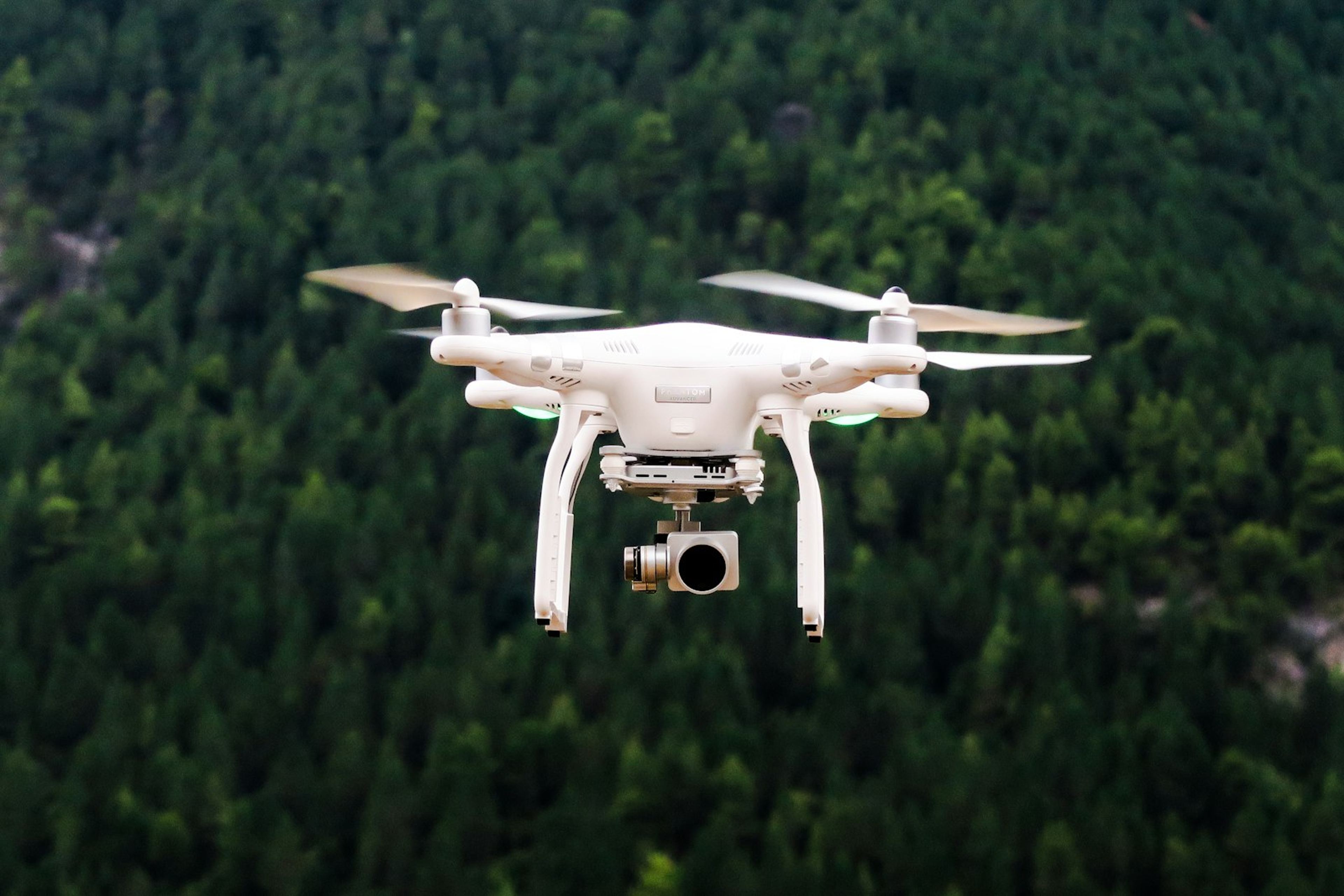
A drone at your wedding sounds amazing, and it is. But there are rules to keep in mind. The Netherlands follows European drone law, and you can't just fly anywhere. In this article we explain everything, so you know what to expect and what to look out for.
European Drone Law (EASA)
Since 2021, uniform European rules have applied to drones, drawn up by EASA (the European Union Aviation Safety Agency). In the Netherlands, compliance is monitored by the ILT (Inspectie Leefomgeving en Transport, the Dutch Human Environment and Transport Inspectorate).
Categories
The EU divides drone flights into three categories:
- Open category – For low-risk flights. Most wedding drone footage falls into this category.
- Specific category – For flights with a higher risk, which require an operational authorisation.
- Certified category – For high-risk flights (not relevant for weddings).
Subcategories of the Open Category
Within the open category there are three subcategories:
- A1 – Flying over people (with light drones up to 250 g)
- A2 – Flying close to people (at least 30 metres away, with drones up to 4 kg)
- A3 – Flying far from people (at least 150 metres from built-up areas)
For weddings, the A2 subcategory is the most relevant. It allows a certified pilot to fly at a horizontal distance of at least 30 metres from uninvolved people. With certain drones in slow mode, this can even be reduced to 5 metres.
What Certification Is Required?
A professional wedding drone videographer should have at least:
- EU A1/A3 certificate of competency – Basic knowledge of drone regulations, safety and meteorology
- EU A2 certificate of competency – Additional knowledge and practical experience for flying close to people
- Operator registration – Registration with the ILT as a drone operator
- Liability insurance – Mandatory for commercial use
Where Can You Fly and Where Can't You?
No-Fly Zones
In the Netherlands there are areas where flying is prohibited or restricted:
- Around airports – Schiphol, Eindhoven Airport, Rotterdam The Hague Airport and other airfields have protection zones
- Military areas – Above and around military sites
- Nature reserves – Some Natura 2000 sites and national parks
- Industrial areas – Around ports and industrial complexes
- Government buildings – Around prisons, palaces and certain government institutions
Checking Flight Zones
We use the official ILT drone map to check in advance whether we can fly at your wedding venue. In the vast majority of cases this isn't a problem, but at venues near airfields or in protected nature reserves, flying may be restricted or not possible at all.
Specific Rules for Weddings
Distance from Guests
With A2 certification, we can fly at a horizontal distance of at least 30 metres from uninvolved people. In practice, this means we keep a respectful distance during the ceremony and use the drone at moments when there is enough space.
Maximum Flying Height
The maximum flying height in the open category is 120 metres. For wedding footage we usually fly between 10 and 80 metres, which is more than enough for spectacular shots.
Flying in Daylight
In principle, flying is only allowed in daylight. This is rarely a problem at weddings, as the most beautiful footage is shot during the day or at golden hour anyway.
Permission from the Venue
Besides the legal rules, it's important to have permission from your wedding venue. Most venues allow drone filming, but it's always wise to arrange this in advance. We include this in our preparation.
What If the Weather Doesn't Cooperate?
Flying in certain weather conditions isn't safe or allowed:
- Rain – Not safe for the drone or the image quality
- Strong wind – Above force 5–6 on the Beaufort scale (depending on the drone), flying isn't responsible
- Fog – Limited visibility makes flying unsafe
- Thunderstorms – Absolutely no flying
At DronesVoorBruiloft.nl we have a fair weather policy. If the weather stops us from flying, we always offer a solution: an alternative moment during the day, or an arrangement for the costs.
Summary: Checklist for a Drone at Your Wedding
- Choose a certified drone videographer (A1/A3 + A2)
- Ask about insurance and registration
- Check whether your venue is in a restricted flight zone
- Let your venue know you'll be using a drone
- Plan the flight moments together with your videographer
- Keep the weather in mind and have a backup plan
Your day from the air too?
Check whether your date is still free. No obligation, and you'll hear from us within 24 hours.
Check your dateRead next
FPV Drone Wedding Video: The Latest Trend in Wedding Films
Discover what an FPV drone wedding video is and why cinematic FPV wedding films are the 2026 trend. How it differs from a regular drone, costs, examples, tips.Read more
Wedding Drone in Bad Weather: Rain, Wind & Plan B
What happens to your wedding drone video in rain or wind? All about the weather, a smart plan B, the aftershoot and how to still get beautiful aerial footage.Read more